Written by: Freda Juliano
Medically reviewed by: Dtn. Victoria Ifeanyichukwu
Last reviewed: March 25, 2026
If you have high blood pressure or you’re trying to avoid it, some foods can quietly make things worse.
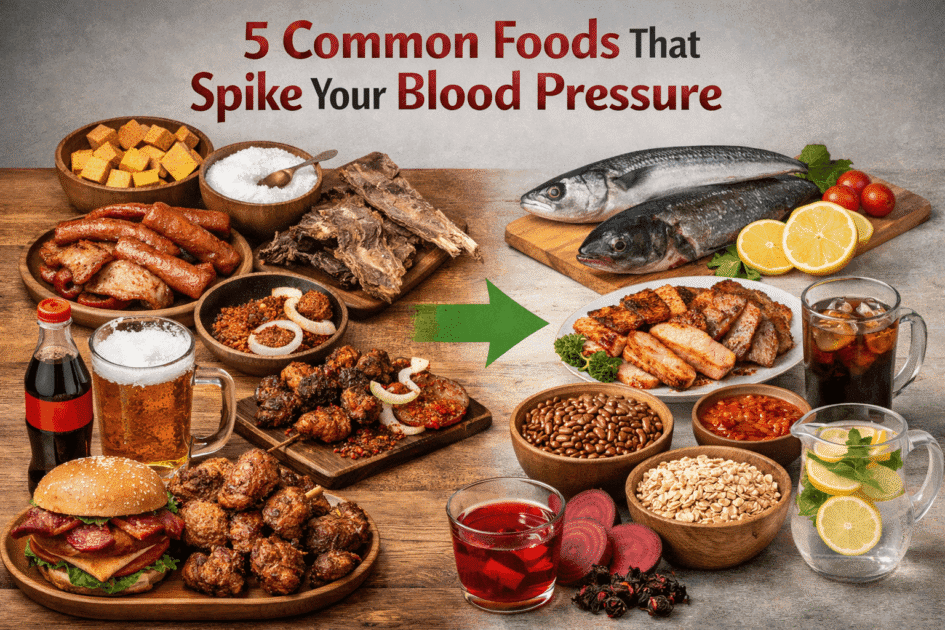
The biggest offenders are usually salty processed foods, preserved meats or fish, sugary drinks, refined carbs, and excess alcohol. These foods can raise blood pressure directly, make it harder to control sodium intake, or push weight and heart risk in the wrong direction. The World Health Organization recommends keeping salt intake below 5 grams a day, while the American Heart Association explains that much of the sodium people eat comes from packaged and processed foods, not just table salt.
That’s what makes this easy to miss.
Many foods that spike blood pressure are everyday foods. They’re familiar. They’re convenient. They don’t always seem unhealthy. But eating them often can put extra strain on your blood vessels over time.
And because high blood pressure often develops quietly, the problem can build for years before it becomes obvious. The NHS notes that hypertension often has no clear symptoms, which is one reason food choices deserve close attention.
The good news is simple. You don’t need a perfect diet. You need a smarter one.
Click to Jump
Why food can raise blood pressure
Blood pressure usually doesn’t rise because of one food alone. It rises because of patterns.
Too much sodium can make your body hold onto extra fluid. This raises pressure inside your blood vessels. A diet built around heavily processed foods can also make it harder to manage weight, heart health, and long-term blood pressure control. This is why the DASH eating plan from NHLBI focuses on lower-sodium, less processed, heart-friendly eating rather than one magic food.
So while salt is a big issue, it’s not the only one. Sugar-heavy drinks, refined foods, excess alcohol, and fatty processed meats can all push your eating pattern in the wrong direction.
On the other hand, some foods can support healthier blood pressure over time, especially when you eat them regularly. That’s where foods that help lower blood pressure naturally can give you a more useful place to start.
1. Seasoning cubes, seasoning powders, and too much added salt
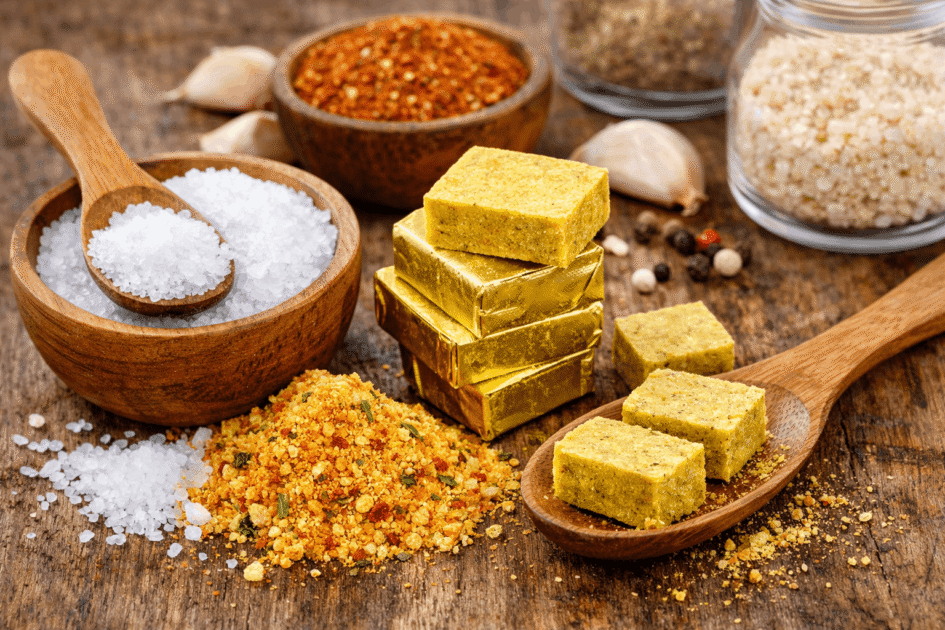
This is one of the easiest ways to eat too much sodium without noticing.
Many meals already contain salt from ingredients, sauces, or stock. Then extra salt goes in while cooking. Then seasoning cubes or powders are added on top. Sometimes even more salt goes in at the end.
This daily buildup adds up fast.
According to the World Health Organization, adults should keep sodium intake below 2,000 mg a day, which equals less than 5 grams of salt. The American Heart Association also explains that reducing sodium can help lower blood pressure.
The problem usually isn’t one salty meal. It’s repetition. If high-sodium seasoning shows up at breakfast, lunch, and dinner, your blood pressure doesn’t get much room to breathe.
A better move is to use less salt and build flavor with onions, garlic, ginger, pepper, herbs, curry, thyme, lemon, and other natural seasonings. If you’re trying to look beyond one ingredient and clean up your eating pattern as a whole, the best diet for high blood pressure makes that easier to understand.
2. Salted fish, preserved meats, and other heavily processed proteins
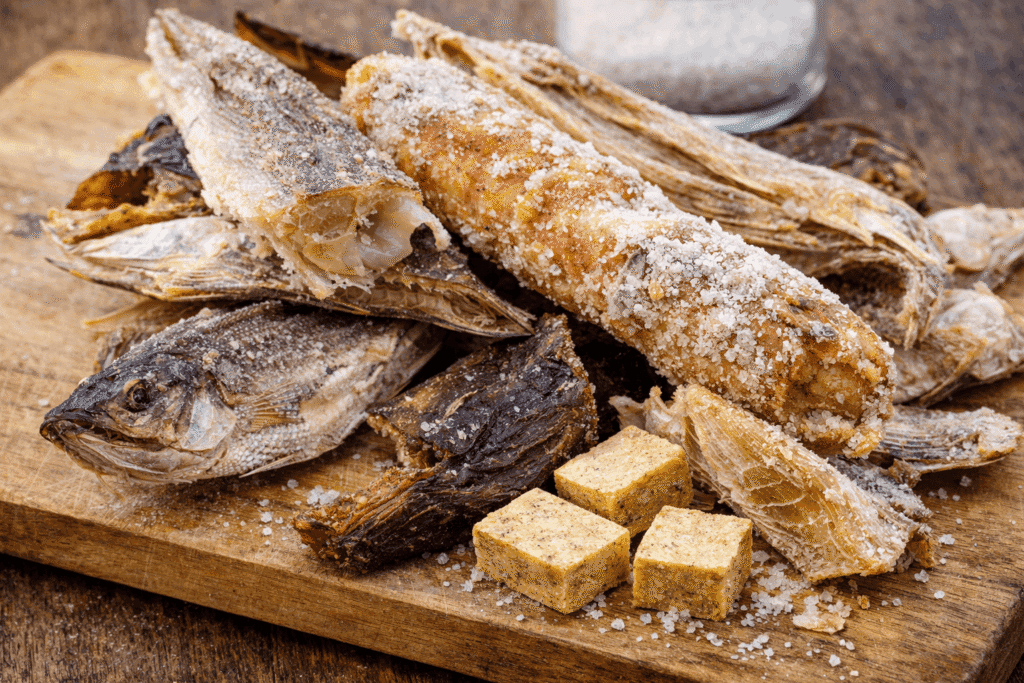
Some protein foods do more harm than good when they’re heavily salted or processed.
This includes foods like bacon, sausage, hot dogs, canned corned beef, deli meats, and heavily salted dried fish. These foods often contain a lot of sodium, and many also come with preservatives and unhealthy fats.
The American Heart Association points out that processed foods are a major source of sodium in many diets. So even when a food looks like just meat or just fish, it may still carry a heavy salt load.
That’s why these foods can quietly work against blood pressure control.
Fresh fish, beans, lentils, skinless chicken, and other less processed proteins are usually better options. Fresh fish, beans, lentils, and other less processed foods don’t just cut back on sodium. They also make it easier to eat more of the foods that help lower blood pressure naturally.
3. Sugary soft drinks and sweet packaged beverages
A drink doesn’t have to taste salty to push blood pressure in the wrong direction.
Sugary soft drinks, energy drinks, and many sweet packaged beverages can make blood pressure control harder by promoting weight gain and worsening overall metabolic health. The NHS lists being overweight as a risk factor for high blood pressure, and the CDC recommends cutting back on added sugars and refined foods as part of healthier eating.
This is even more important if you already have blood sugar concerns. Blood pressure problems and blood sugar problems often overlap. If that sounds familiar, what to eat if you have prediabetes can help you make better choices without feeling like every meal has become complicated.
Better drink choices include water, sparkling water without added sugar, and other unsweetened drinks.
4. Refined carbs and highly processed snack foods
This part gets overlooked a lot.
White bread, pastries, sugary cereals, instant noodles, chips, crackers, and many packaged snacks may not all taste extremely salty, but they often come with a poor nutrition profile. Some are high in sodium. Some are high in added sugar. Many are low in fiber. And a steady diet built around them makes heart-friendly eating harder to sustain.
Highly processed eating patterns are usually less satisfying and easier to overeat. This can affect body weight, blood sugar, and blood pressure over time.
A better swap is to choose more filling whole foods more often. Oats, beans, fruit, plain yogurt, nuts, and balanced meals tend to support blood pressure better than ultra-processed snack foods. Foods rich in potassium can also help balance the effects of sodium, which is why potassium-rich foods for high blood pressure are worth knowing.
5. Excess alcohol and frequent fatty red meat
Alcohol is a common blood pressure trigger that many people don’t think about right away.
Drinking too much alcohol over time can raise blood pressure, and it can also add extra calories that make weight control harder. The NHS includes heavy alcohol use among the factors that increase blood pressure risk.
Fatty red meat isn’t as direct a trigger as sodium-heavy processed food. But eating it too often can still pull your overall diet away from a heart-friendly pattern, especially when it’s combined with fried sides, salty sauces, and low vegetable intake.
You don’t have to swear off red meat forever. But it helps to eat it less often and choose leaner proteins more regularly.
Better food swaps for high blood pressure
If you want to lower blood pressure naturally, simple swaps can help a lot.
| Instead of this | Try this | Why it helps |
|---|---|---|
| Extra salt and multiple seasoning cubes | Smaller amounts plus herbs, garlic, ginger, onion, lemon, and spices | Cuts sodium without making food bland |
| Sausage, bacon, canned corned beef, deli meat | Fresh fish, beans, lentils, skinless chicken | Lowers sodium and reduces processed meat intake |
| Soft drinks and sugary packaged drinks | Water or unsweetened drinks | Cuts added sugar and supports weight control |
| Chips, pastries, instant noodles, sugary snacks | Oats, fruit, nuts, plain yogurt, beans | Improves diet quality and adds fiber |
| Frequent fatty red meat meals | Fish, beans, lentils, lean poultry | Supports a more heart-friendly eating pattern |
What to eat more often instead
It’s easier to cut back on harmful foods when you know what should replace them.
A strong blood pressure-friendly pattern usually includes vegetables, fruits, beans, lentils, whole grains, nuts, seeds, and less processed meals overall. That’s the idea behind the DASH eating plan.
You’ll usually do better when your meals focus more on foods that help lower blood pressure naturally and less on the foods that keep pushing it up. And if you want a clearer structure for putting that into practice, the best diet for high blood pressure lays it out well.
Potassium deserves special attention too, because it helps your body handle sodium better. This is one reason potassium-rich foods for high blood pressure can make such a useful difference in your routine.
How to cut back without changing everything overnight
You don’t need to fix your diet in one day.
Start with the foods you eat most often. That’s where the biggest win usually is.
Try this:
- use less salt when cooking
- cut back on seasoning cubes and salty powders
- drink fewer sugary beverages
- replace processed meats with fresher proteins more often
- eat more beans, vegetables, fruit, and whole grains
- keep heavily packaged snack foods for occasional use, not daily use
Small changes done often are what move blood pressure in the right direction.
When to take high blood pressure seriously
Food helps. But food isn’t the whole picture.
If your blood pressure is high, regular monitoring and proper medical care are still important. Get urgent medical help if you have severe blood pressure readings along with chest pain, severe headache, shortness of breath, weakness, confusion, or vision changes. The NHS guidance on high blood pressure makes it clear that hypertension can become dangerous when it’s severe or poorly controlled.
The bottom line
The foods that spike your blood pressure are often the foods that feel most normal.
That’s why they’re easy to underestimate.
Too much added salt, processed meats, sugary drinks, refined snack foods, and excess alcohol can all make blood pressure harder to manage. But when you start replacing them with fresher, less processed, lower-sodium foods, your eating pattern gets much stronger.
You don’t need a perfect diet. You need better choices more often.
Medical Disclaimer: This article is for educational and informational purposes only and is not a substitute for professional medical advice, diagnosis, or treatment. Always speak with a qualified healthcare professional about personal health concerns.