Written by: Precious Eze
Medically reviewed by: Dr. Deborah Akinlola
Last reviewed: March 24, 2026
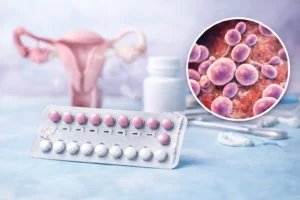
Yes, antibiotics can cause a yeast infection in some women. They do not create yeast directly. What they do is reduce some of the healthy bacteria in the vagina that normally help keep yeast under control. When that balance shifts, yeast can overgrow and cause symptoms like itching, burning, soreness, and unusual discharge.
Click to Jump
Quick Answer
Antibiotics can increase the risk of a vaginal yeast infection because they may kill off healthy vaginal bacteria along with the harmful bacteria they are meant to treat. When those protective bacteria drop, yeast has more room to multiply.
Why Antibiotics Can Lead to a Yeast Infection
The vagina has a natural balance of bacteria and yeast. Helpful bacteria help keep yeast from overgrowing. Some antibiotics, especially broad-spectrum antibiotics, can disrupt that balance. That is why a woman may take antibiotics for a throat infection, dental infection, skin infection, or urinary problem and then notice vaginal itching or discharge a few days later.
This link is well recognized by Mayo Clinic, which notes that broad-spectrum antibiotics can kill healthy vaginal bacteria and lead to too much yeast. ACOG also explains that some antibiotics raise the risk because they kill normal vaginal bacteria that keep yeast in check.
Antibiotics are only one example. Some other medicines can also affect vaginal health in ways many women do not expect, as we explained in our guide to common drugs that affect your vagina.
Do Antibiotics Always Cause a Yeast Infection?
No. Antibiotics increase the risk, but they do not guarantee that you will develop a yeast infection. Some women take them without any vaginal symptoms at all. Others are more prone to yeast overgrowth, especially if they have had yeast infections before or have other risk factors.
Common Symptoms of a Yeast Infection After Antibiotics
Symptoms may include:
- vaginal itching
- burning or irritation
- soreness around the vulva
- pain during sex
- discomfort during urination
- thick white discharge
Not every woman has every symptom. Some notice mainly itching and irritation. Others notice discharge first.
If you want a fuller breakdown of how vaginal thrush feels, why it happens, and how it’s treated, read our guide on vaginal yeast infection symptoms, causes, and treatment.
Yeast Infection Is Not the Same as Every Vaginal Infection
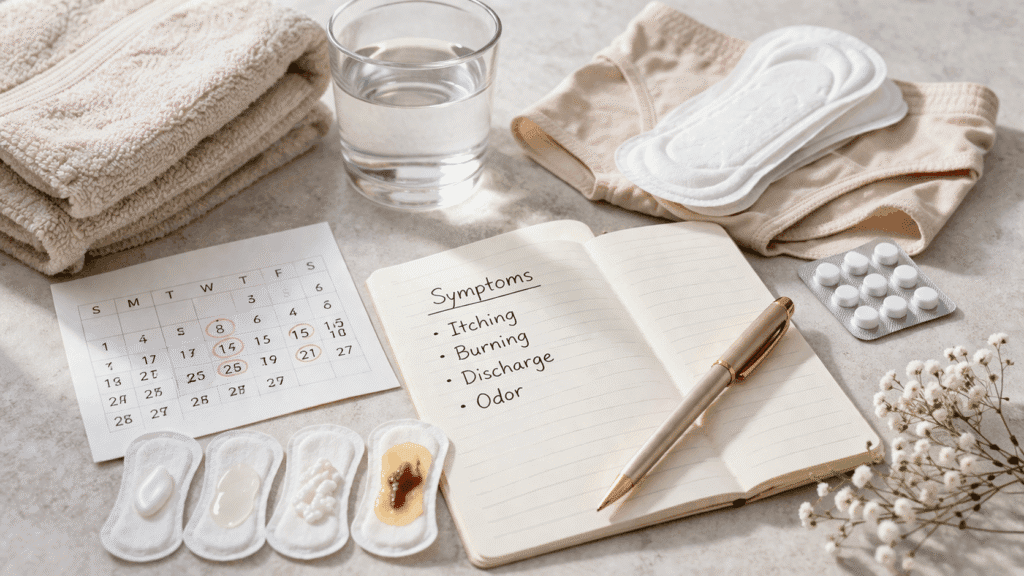
This is where many women get confused.
A yeast infection can cause itching, burning, and thick discharge. But bacterial vaginosis, some sexually transmitted infections, and product irritation can also cause vaginal symptoms. They are not all the same, and they are not treated the same way.
If the discharge has a strong fishy smell, that points more toward bacterial vaginosis than yeast. WomensHealth.gov also advises seeing a doctor or nurse to make sure it is truly a yeast infection and not another type of infection.
How Soon Can a Yeast Infection Happen After Antibiotics?
It can happen during the antibiotic course or shortly after it ends. There is no single timeline for everyone. What matters more is the pattern: symptoms begin after the vaginal balance has been disturbed.
Who Is More Likely to Get One?
The risk is higher if you:
- have had yeast infections before
- are pregnant
- have diabetes
- have a weakened immune system
- have hormone-related changes
- are prone to vaginal irritation
The CDC and Mayo Clinic both list antibiotic use, pregnancy, hormone changes, and weakened immunity among important risk factors.
Can You Prevent a Yeast Infection While Taking Antibiotics?
You cannot prevent every case, but you can lower the risk.
Use antibiotics only when they are actually needed and take them exactly as prescribed. Do not stop halfway on your own. Avoid harsh scented vaginal products that may worsen irritation or make symptoms harder to interpret. If you often get yeast infections after taking antibiotics, mention that to your clinician.
ACOG notes that some people who tend to get yeast infections while taking antibiotics may discuss preventive treatment with their clinician.
What About Probiotics?
Probiotics are often mentioned, but they should not be treated as a guaranteed fix. Some women use them, but it is better to keep the wording careful and medically honest. They may help some people, but they are not a reliable promise that antibiotics will not trigger a yeast infection.
What to Do If You Think Antibiotics Caused a Yeast Infection
If the symptoms are mild and familiar, antifungal treatment may help. But if this is your first time having these symptoms, it is smarter to get checked instead of assuming.
That is especially important because self-diagnosis often goes wrong. A woman may think she has yeast when the real issue is bacterial vaginosis, irritation, or another infection.
WomensHealth.gov says yeast infections are usually treated with antifungal medicine and advises seeing a doctor or nurse first to make sure the diagnosis is correct.
If You Are Pregnant, Be More Careful
Pregnancy changes the picture. According to the CDC’s STI treatment guidance, only topical azole therapies used for 7 days are recommended during pregnancy, and a single oral dose of fluconazole should be avoided. (CDC)
Should You Stop the Antibiotic?
Do not stop an antibiotic on your own unless a clinician tells you to. The original infection may still need proper treatment. The better move is to contact the prescriber or a pharmacist, explain the symptoms, and ask what to do next.
Red Flags: When to See a Doctor Quickly
Get proper medical care if:
- this is your first suspected yeast infection
- your symptoms are severe
- you are pregnant
- the symptoms keep coming back
- treatment does not help
- you have fever, pelvic pain, sores, bleeding outside your period, or foul-smelling discharge
Those warning signs make self-diagnosis less safe.
Common Mistakes Women Make After Antibiotics
Assuming every itch is yeast
It is not.
Treating the wrong problem
Yeast infection, bacterial vaginosis, and some STIs can look similar at first.
Stopping the antibiotic halfway
That can leave the original infection undertreated.
Calling everything “toilet infection”
That term causes confusion and can delay the right diagnosis.
The Bottom Line
Yes, antibiotics can cause a yeast infection in some women because they can disrupt the normal balance of bacteria in the vagina. But not every vaginal symptom after antibiotics is yeast. That is why the goal is not just quick relief. It is getting the diagnosis right and treating the right problem.
FAQ
Yes. Antibiotics can increase the risk by reducing the healthy bacteria that help keep yeast under control.
No. They increase the risk, but many women take antibiotics without developing one.
Yeast infection often causes itching, burning, and thick discharge, but other infections can cause similar symptoms. If you are unsure, get checked instead of guessing.
No. Do not stop them on your own. Speak with the prescribing clinician or a pharmacist first.
Sometimes, but first-time symptoms, pregnancy, severe symptoms, or repeated episodes should be assessed properly.
Medical Disclaimer: This article is for educational and informational purposes only and is not a substitute for professional medical advice, diagnosis, or treatment. Always speak with a qualified healthcare professional about personal health concerns.