Written by: Freda Juliano
Medically reviewed by: Dtn. Victoria Ifeanyichukwu
Last reviewed: March 29, 2026
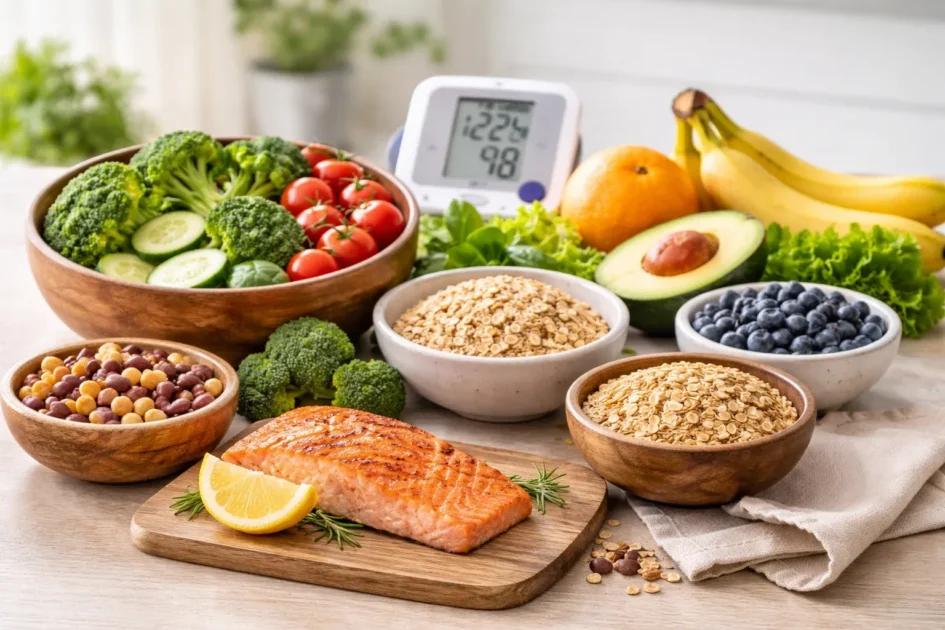
High blood pressure often has no obvious symptoms. But it can still raise the risk of heart disease, stroke, and kidney damage over time. One of the most proven eating patterns for lowering blood pressure is the DASH eating plan. DASH stands for Dietary Approaches to Stop Hypertension. It centers on vegetables, fruits, whole grains, beans, nuts, lean proteins, and low-fat dairy while cutting back on sodium, saturated fat, and heavily processed foods.
If you want the shortest answer, here it is: the best diet for high blood pressure is a DASH-style eating pattern with less salt, more whole foods, and fewer processed foods.
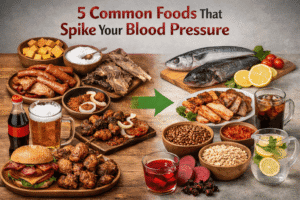
If you are trying to move beyond simply avoiding triggers, this guide builds naturally on 5 Common Foods That Spike Your Blood Pressure by showing what your meals should look like instead.
Click to Jump
Quick answer: what should you eat if you have high blood pressure?
Eat more of these foods:
- vegetables
- fruits
- beans and lentils
- whole grains
- fish and other lean proteins
- low-fat dairy
- unsalted nuts and seeds
Cut back on these:
- salty processed foods
- instant noodles
- processed meats
- deep-fried fast foods
- sugary drinks
- foods high in saturated fat
- excess alcohol
That is the core of a blood-pressure-friendly diet. It is simple. It is practical. And it becomes easier to follow when you build meals around whole foods instead of packaged ones, which is also the general direction supported by the American Heart Association and Mayo Clinic’s DASH guide.
Why diet matters so much in high blood pressure
Diet affects blood pressure in two major ways. First, too much sodium pushes blood pressure up. The World Health Organization recommends that adults stay below 2 grams of sodium a day, which equals less than 5 grams of salt a day. Second, potassium-rich foods help balance some of sodium’s effects. The American Heart Association notes that potassium helps the body get rid of more sodium and also helps ease tension in blood vessel walls.
That is why this is not about one miracle food. It is about an eating pattern you can repeat.
Foods to eat for high blood pressure
1. Vegetables
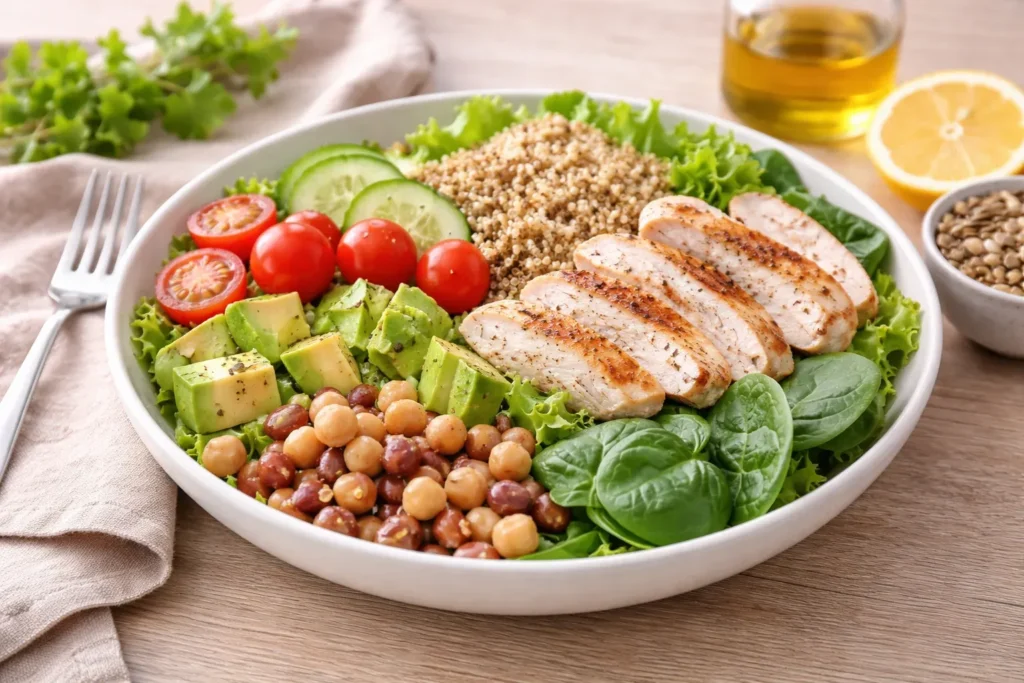
Vegetables should take up a big part of your plate. They are naturally low in sodium and fit the DASH eating plan very well. They also help increase potassium and fiber intake.
Good choices include:
- spinach
- ugu
- okra
- carrots
- tomatoes
- cabbage
- cucumber
- green beans
- onions
- garden eggs
Fresh vegetables are great. Frozen vegetables can also work well if they do not come with salty sauces.
2. Fruits
Fruits help you eat less processed snacks and more potassium-rich foods. That makes them a smart fit for a blood-pressure-friendly diet.
Helpful choices include:
- bananas
- oranges
- pawpaw
- watermelon
- apples
- pears
- avocado
- mangoes
Many of these also appear in foods that help lower blood pressure naturally, especially if you want more food-specific ideas to rotate into your meals.
Whole fruit is usually a better choice than sugary fruit drinks.
3. Beans, lentils, and peas
Beans and other legumes are one of the most practical foods for blood pressure control. They are affordable. They are filling. And they fit the DASH model well because they provide fiber, minerals, and plant protein, as shown in both the NHLBI DASH plan and Mayo Clinic’s overview of DASH foods.
Good options include:
- beans porridge
- moi moi
- lentils
- chickpeas
- peas
Be careful with preparation. Too much salt, too many seasoning cubes, and too much processed meat can ruin the benefit.
4. Whole grains
Whole grains fit better than heavily refined grains because they support a more balanced diet and are part of the standard DASH pattern.
Useful options include:
- oats
- brown rice
- whole wheat bread with lower sodium
- high-fiber cereals with less sugar and salt
You do not need to switch everything at once. Even small upgrades help.
5. Fish and other lean proteins
Protein still matters. The source matters too. The American Heart Association recommends eating patterns rich in fish, skinless poultry, nuts, and legumes while limiting less healthy fats.
Better options include:
- fish
- skinless chicken
- beans and lentils
- eggs in moderation
- low-fat dairy
- unsalted nuts
Processed meats do not belong in the same category.
6. Low-fat dairy
Low-fat dairy is part of DASH because it can provide calcium, protein, and potassium without as much saturated fat as full-fat versions.
Examples include:
- plain yogurt
- low-fat milk
- unsweetened lower-fat dairy products
7. Unsalted nuts and seeds
Nuts and seeds work well in small portions. They are a much better routine snack than salty processed foods.
Good examples include:
- unsalted groundnuts
- almonds
- walnuts
- pumpkin seeds
- sunflower seeds
Foods to avoid with high blood pressure
1. High-sodium foods
This is the biggest group to cut back on. The World Health Organization and the American Heart Association both stress that too much sodium raises blood pressure, and much of that sodium comes from packaged and processed foods.
Common examples include:
- instant noodles
- seasoning cubes and salty mixes
- processed meats
- canned soups
- packaged snacks
- fast food
- salty crackers
- heavily salted soups and stews
These foods often make hypertension harder to control. 5 Common Foods That Spike Your Blood Pressure breaks down some of the most common everyday offenders in more detail.
2. Processed meats
Processed meats are usually high in sodium. They are often high in saturated fat too. That makes them a weak choice for anyone trying to lower blood pressure.
Examples include:
- sausages
- bacon
- corned beef
- hot dogs
3. Deep-fried and high-saturated-fat foods
A good hypertension diet is not only about salt. It also helps to reduce foods high in saturated fat. That is part of the DASH eating plan, and it also aligns with the WHO’s guidance on healthy diets.
Be more careful with:
- deep-fried fast foods
- fatty meats
- pastries made with poor-quality fats
- repeated-use frying oil
- heavily processed baked foods
4. Excess alcohol
Alcohol can raise blood pressure, especially when intake is frequent or heavy. The World Health Organization’s hypertension guidance lists harmful alcohol use among the major modifiable risk factors.
5. Ultra-processed foods in general
Ultra-processed foods often combine high sodium, unhealthy fats, and excess calories. That combination works against blood pressure control.
This includes many:
- packaged pastries
- chips
- sugary cereals
- convenience meals
- ready-to-eat processed foods
Best foods vs worst foods for high blood pressure
| Eat more often | Cut back on |
|---|---|
| Vegetables | Instant noodles |
| Fruits | Salty snacks |
| Beans and lentils | Processed meats |
| Oats and whole grains | Fast food |
| Fish and lean protein | Deep-fried foods |
| Plain yogurt and low-fat dairy | Sugary drinks |
| Unsalted nuts and seeds | Excess alcohol |
Daily tips for following the best diet for high blood pressure
Start with one sodium cut
Do not try to fix everything in one day. Start by cutting one major sodium source you eat often. That could be instant noodles, salty snacks, processed meats, or too many seasoning cubes.
Add vegetables to lunch and dinner
This is one of the easiest upgrades. A blood-pressure-friendly diet works better when vegetables are routine, not occasional. That fits the structure of the DASH eating plan.
Read labels more often
Some foods sound healthy but still carry a lot of sodium. Bread, cereal, crackers, soups, sauces, and packaged “light” foods can all mislead you. The American Heart Association’s guide to reducing sodium explains why label reading matters.
Snack smarter
Replace one processed snack a day with fruit, plain yogurt, or a small portion of unsalted nuts.
Focus on the pattern, not one superfood
Bananas, oats, fish, and leafy vegetables can all help. But none of them can carry the whole diet alone. The real benefit comes from the full pattern. Foods that help lower blood pressure naturally can give you more food-by-food ideas to build around.
A simple one-day meal plan for high blood pressure
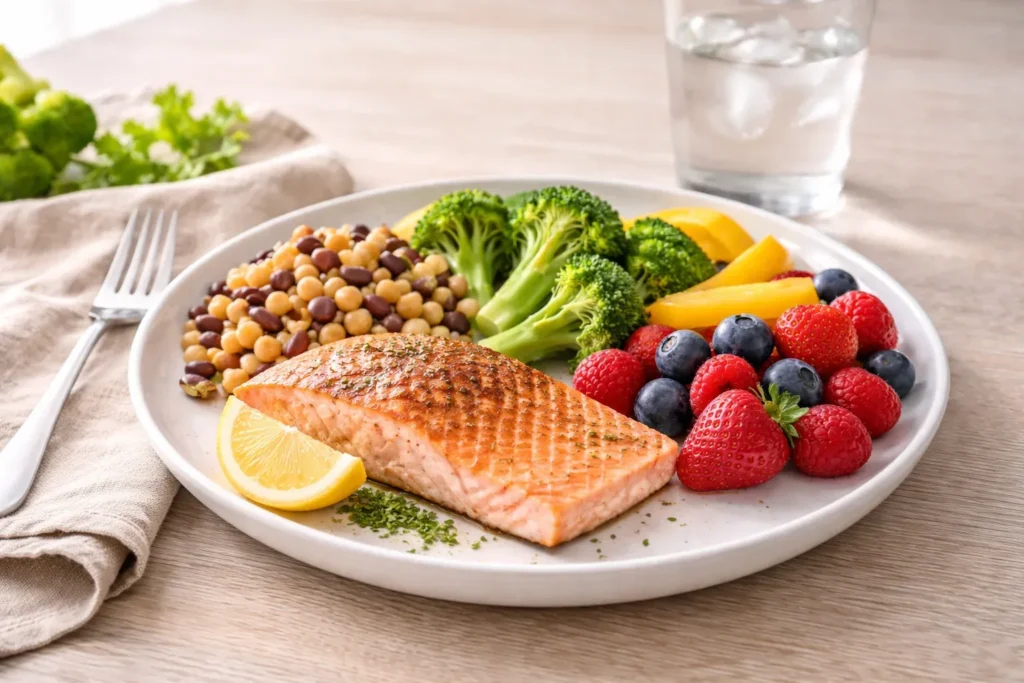
Here is a practical example of what a DASH-style day can look like:
Breakfast: oatmeal with sliced banana and a small handful of unsalted groundnuts
Mid-morning: one orange or pawpaw
Lunch: beans with a vegetable-rich salad and a moderate portion of brown rice
Afternoon snack: plain yogurt or fruit
Dinner: grilled fish with okra or another vegetable-based dish and a controlled portion of boiled yam
Drinks: water instead of sugary soft drinks
This kind of menu matches the overall DASH approach, much like the sample patterns in Mayo Clinic’s DASH meal guide.
Can Nigerian and African foods fit this diet?
Yes. They can fit very well. The real issue is usually not that the food is local. It is how it is prepared, how much salt gets added, how often it is fried, and how often processed ingredients dominate the meal. That is consistent with the World Health Organization’s healthy diet guidance, which advises limiting salt and choosing healthier overall food patterns.
Good fits can include:
- beans
- moi moi
- okra soup made with less salt
- vegetable soups with fewer salty seasonings
- grilled fish
- oats
- fruit
- plain yogurt
- unsalted groundnuts
- moderate portions of simple starches paired with vegetables and lean protein
Common mistakes people make
One common mistake is assuming that skipping table salt means the diet is now low in sodium. It often does not. Much of the sodium in modern diets comes from processed and packaged foods, as explained by the World Health Organization.
Another mistake is trusting healthy-looking packaged foods without checking the label. Bread, cereal, crackers, soups, and sauces can all be much saltier than expected, which is why the American Heart Association keeps emphasizing label awareness.
A third mistake is trying to change everything overnight. This works better when the changes are practical enough to repeat.
Red flags: don’t ignore these
Diet helps. But it is not a replacement for urgent care. Seek urgent medical help if very high blood pressure comes with chest pain, severe shortness of breath, fainting, confusion, weakness on one side, or sudden severe neurological symptoms, as major guidance such as Mayo Clinic’s high blood pressure overview makes clear.
When to see a doctor
See a doctor or qualified health professional if:
- your blood pressure readings stay high
- you already have hypertension and it remains uncontrolled
- you are pregnant and your blood pressure is elevated
- you also have kidney disease, diabetes, or heart disease
- you are unsure whether your symptoms or readings are serious
These situations raise the need for proper medical assessment and treatment, which is also reflected in the World Health Organization’s hypertension fact sheet.
FAQ
The best-established eating pattern for high blood pressure is the DASH eating plan. It emphasizes fruits, vegetables, whole grains, beans, nuts, lean proteins, and low-fat dairy while reducing sodium and heavily processed foods.
The main foods to reduce are high-sodium processed foods, processed meats, deep-fried fast foods, sugary drinks, and foods high in saturated fat, which is also the general direction of the American Heart Association’s diet guidance.
Bananas can work well because they contain potassium, and the American Heart Association explains that potassium helps offset some of sodium’s effects as part of an overall healthy diet.
Yes. Rice itself is not the main issue. Portion size, how refined it is, and what you eat with it matter more. A moderate portion paired with vegetables and lean protein fits better than a salty, oily meal.
No. Salt is one of the biggest issues, but overall diet quality also matters. Diets high in saturated fat, alcohol, and highly processed foods can also work against blood pressure control, which aligns with the World Health Organization’s healthy diet guidance.
The bottom line
The best diet for high blood pressure is a repeatable DASH-style eating pattern: more vegetables, fruits, beans, whole grains, nuts, and lean proteins, with less sodium, less processed food, and fewer routine high-fat fast foods.
Medical Disclaimer: This article is for educational and informational purposes only and is not a substitute for professional medical advice, diagnosis, or treatment. Always speak with a qualified healthcare professional about personal health concerns.