Written by: Freda Juliano
Medically reviewed by: Dtn. Victoria Ifeanyichukwu
Last reviewed: March 31, 2026
High blood pressure can improve when your overall eating pattern gets better. Potassium-rich foods for high blood pressure can help support healthier blood pressure, especially when they replace salty, heavily processed meals. Potassium helps your body balance sodium and supports healthy blood vessel function, which is why the American Heart Association and the CDC both include potassium-rich foods in a blood-pressure-friendly way of eating.
Click to Jump
Quick answer: what potassium-rich foods help with high blood pressure?
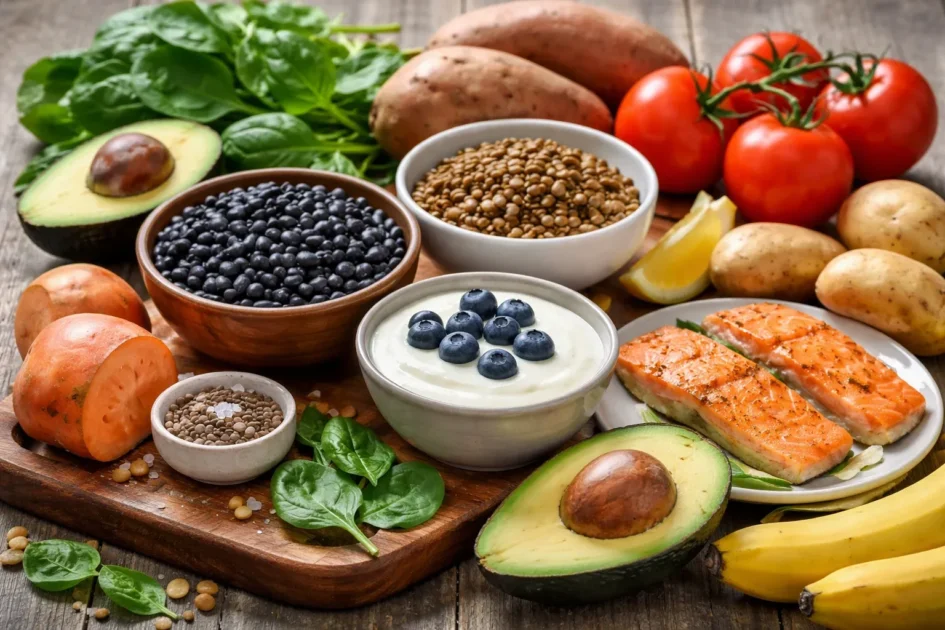
Some of the best potassium-rich foods for high blood pressure include beans, lentils, potatoes, sweet potatoes, spinach and other leafy greens, bananas, plain yogurt, avocado, tomatoes, and fish. These foods can help because too little potassium and too much sodium can raise blood pressure, while potassium helps blunt some of sodium’s effects. They work best when they replace salty, heavily processed meals and become part of a broader eating pattern like the DASH eating plan.
How potassium helps lower blood pressure
According to the American Heart Association, potassium helps your body process more sodium out through urine and also helps blood vessel walls relax. That’s why potassium-rich foods are often recommended for people trying to prevent or manage high blood pressure.
But eating more potassium won’t do as much as you hope if your diet is still packed with salty instant foods, restaurant meals, processed meats, packaged snacks, and heavily seasoned convenience foods. That’s why it makes more sense to improve both sides at once: eat more potassium-rich foods and cut back on excess sodium, since the CDC says too much sodium and too little potassium can both push blood pressure in the wrong direction.
The best potassium-rich foods for high blood pressure
Beans
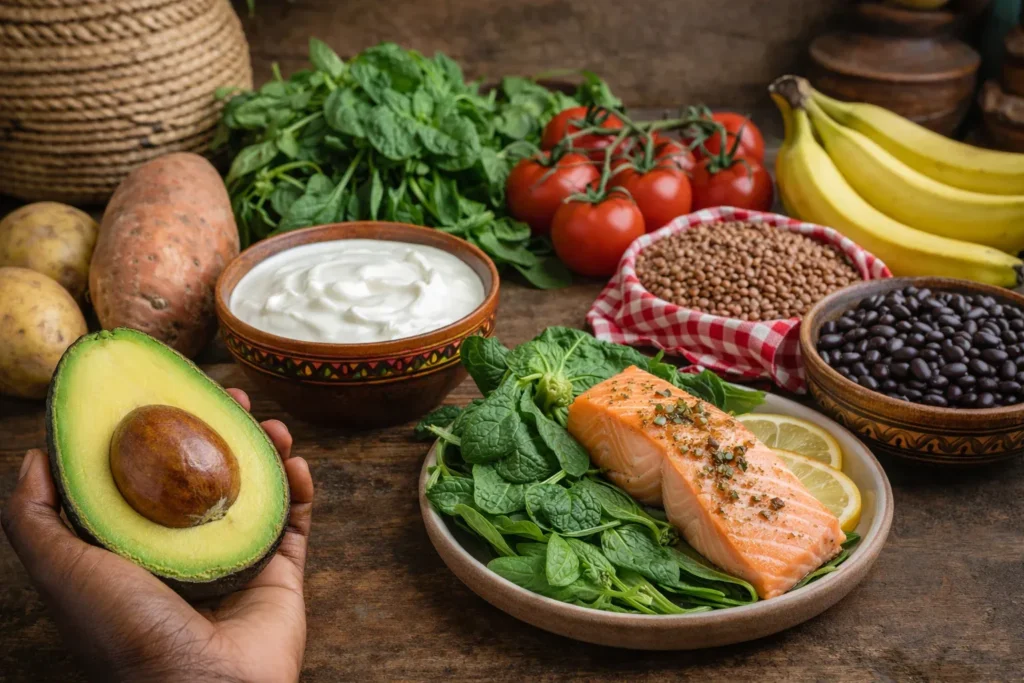
Beans are one of the best places to start. They’re rich in potassium, and they also give you fiber and plant protein. That makes them especially useful for blood-pressure-friendly meals because they improve the whole meal, not just one nutrient.
Black beans, kidney beans, white beans, brown beans, and pinto beans are all solid options. They fit easily into stews, soups, rice dishes, and simple lunches.
Lentils
Lentils are practical, filling, and easy to use. They work well in soups, stews, mixed grain bowls, and vegetable dishes. They’re also a good choice when you want something affordable that still supports a heart-healthy way of eating.
Potatoes
Plain potatoes are naturally rich in potassium. The real issue is usually the form. A baked, boiled, or roasted potato is very different from fries, chips, or salty frozen potato products.
Sweet potatoes
Sweet potatoes are another strong option. They fit easily into regular meals and don’t need much salt to taste good. They’re one of the easiest potassium-rich foods to repeat often, which is more useful than picking the most impressive food on paper.
Spinach and other leafy greens
Leafy greens such as spinach can help raise potassium intake while improving the overall quality of your meals. They work well in soups, stews, omelets, and side dishes. They’re also an easy way to make meals feel less processed and more balanced.
Bananas
Bananas help, but they’re often overhyped. They’re useful because they’re easy, portable, and naturally low in sodium. But they’re not the only important potassium food, and they’re not always the most useful one for full meals. Foods like beans, potatoes, sweet potatoes, and leafy greens often deserve just as much attention.
Plain yogurt
Plain yogurt can be a smart breakfast or snack option. It provides potassium and can replace processed snacks that tend to be high in salt or sugar. It’s more useful when it’s plain or lightly sweetened, not dessert-like flavored versions.
Avocado
Avocado contains potassium and healthy fats. It works well with eggs, beans, salads, and whole grain toast. It can also replace salty spreads and heavily processed toppings.
Tomatoes
Tomatoes can contribute potassium, but the form matters. Fresh tomatoes are usually better than packaged sauces that come with a lot of added sodium. This is one of the easiest places to get fooled by the label on the front of the pack.
Fish
Some fish, including salmon, contain potassium and protein and can fit well into a blood-pressure-friendly diet. Grilled, baked, or steamed options are usually better than salty canned products or heavily seasoned fried versions.
What to eat most often
If you want the shortest practical answer, focus most often on these:
- beans
- lentils
- potatoes
- sweet potatoes
- leafy greens
- plain yogurt
- fruit such as bananas
- simple fish meals
These foods are easier to repeat than trendier options, and repeatable eating patterns are what actually help blood pressure over time.
Foods that sound healthy but can still work against you
This part is easy to miss. Some potassium-rich foods become less helpful once they’re packaged or prepared in high-sodium forms.
Watch out for:
- canned soups with beans or vegetables
- packaged tomato sauces
- salted canned fish
- frozen potato products
- heavily seasoned vegetable mixes
- flavored yogurts that are heavily processed
That doesn’t mean every packaged food is bad. It just means “contains potassium” isn’t enough on its own. You still need to check the sodium side of the equation, because the CDC says eating too much sodium can raise blood pressure and increase the risk of heart disease and stroke.
The mistake people make most often
The biggest mistake is trying to add one good food while keeping the rest of the diet the same.
If someone starts eating bananas every day but still eats lots of processed snacks, salty noodles, fast food, and heavily salted sauces, the benefit will be limited. That’s why it helps to look at the foods that may be pushing blood pressure up in the first place, like the ones covered in 5 Common Foods That Spike Your Blood Pressure.
And if you want a broader list of helpful foods beyond potassium-rich options alone, Foods That Help Lower Blood Pressure Naturally has all you need to know.
A simple way to eat more potassium without making your diet worse
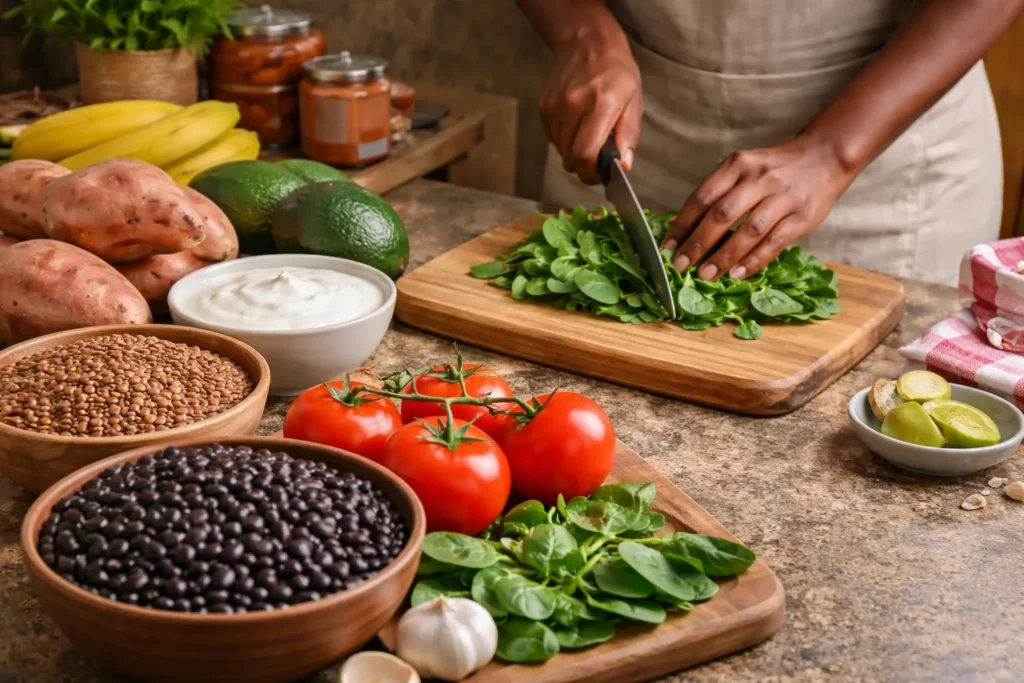
Start with easy swaps, not perfection.
- replace one salty snack with fruit or plain yogurt
- add beans, lentils, or leafy greens to one meal a day
- choose boiled, baked, or roasted potatoes more often than fries
- cut back on packaged foods with hidden sodium
- use fewer salty seasonings when cooking
- build more meals around whole foods instead of convenience foods
That approach fits the same broader pattern behind Best Diet for High Blood Pressure, and it also lines up with the DASH eating plan, which emphasizes vegetables, fruits, and other nutrient-dense foods while keeping sodium lower.
Who should be careful with high-potassium foods?
Not everyone should suddenly increase potassium without medical advice.
If you have kidney disease, have been told your potassium level is high, or take certain medicines that affect potassium balance, you need medical advice first, because the National Kidney Foundation warns that potassium can build up in the body when the kidneys aren’t working properly.
Is it better to get potassium from food or supplements?
For most people, food is the better place to start. Whole foods bring potassium along with fiber, vitamins, minerals, and other useful compounds, which makes them easier to build into long-term habits.
Potassium supplements aren’t something people should start casually. The American Heart Association says potassium should ideally come from diet rather than casual supplement use, especially since supplements aren’t right for everyone.
A simple sample day
Here’s one easy example of how this can look:
Breakfast: plain yogurt with banana and oats
Lunch: beans with leafy greens and roasted sweet potato
Snack: fruit or avocado on whole grain toast
Dinner: grilled fish with boiled potatoes and mixed vegetables
This isn’t the only right way to eat. It just shows that potassium-rich eating can look normal, affordable, and repeatable.
When to see a doctor
See a doctor if:
- your blood pressure stays high
- you get chest pain, shortness of breath, dizziness, or severe headaches
- you’re already on blood pressure medicine but your numbers remain poorly controlled
- you have kidney disease
- you’re unsure whether increasing potassium is safe for you
Food helps, but it shouldn’t replace proper medical care. The CDC also treats diet as one part of a broader blood pressure prevention and management plan.
FAQs
Beans, lentils, potatoes, sweet potatoes, leafy greens, bananas, plain yogurt, avocado, tomatoes, and some fish are among the best options.
No. Bananas can support a better diet, but they don’t lower blood pressure instantly. They help as part of a consistent pattern.
Not necessarily. Bananas are helpful, but beans, potatoes, sweet potatoes, and leafy greens are often better for building full meals you can repeat.
Not completely. Potassium can blunt some of sodium’s effects, but it doesn’t erase the harm of a very salty diet. The American Heart Association explains that potassium helps counter sodium’s effects, not erase them.
Most people can, but people with kidney disease or certain medical conditions should get medical advice first. That caution is especially important because the National Kidney Foundation notes that potassium can build up when kidney function is impaired.
The bottom line
Potassium-rich foods can help with high blood pressure, but they work best as part of a bigger pattern. Eat more whole foods. Cut back on excess sodium. Focus on meals you can actually keep repeating.
That’s the real goal. Not one magic food. A better way of eating.
Medical Disclaimer: This article is for educational and informational purposes only and is not a substitute for professional medical advice, diagnosis, or treatment. Always speak with a qualified healthcare professional about personal health concerns.