Written by: Freda Juliano
Medically reviewed by: Dtn. Victoria Ifeanyichukwu
Last reviewed: March 20, 2026
High blood pressure does not always announce itself. It can build quietly for years while the heart and blood vessels take the strain.
That is why everyday food choices matter.
The right foods can support healthier blood pressure over time. A diet built around fruits, vegetables, legumes, whole grains, nuts, seeds, and lower-sodium meals is strongly backed by the NHLBI DASH eating plan, the American Heart Association’s guidance on managing blood pressure with a heart-healthy diet, the CDC’s prevention advice for high blood pressure, and the World Health Organization’s guidance on sodium reduction.
If you are looking for foods that help lower blood pressure naturally, this guide explains what to eat, why it helps, and how to make these foods part of everyday meals.
Click to Jump
Quick Answer: What Foods Help Lower Blood Pressure Naturally?
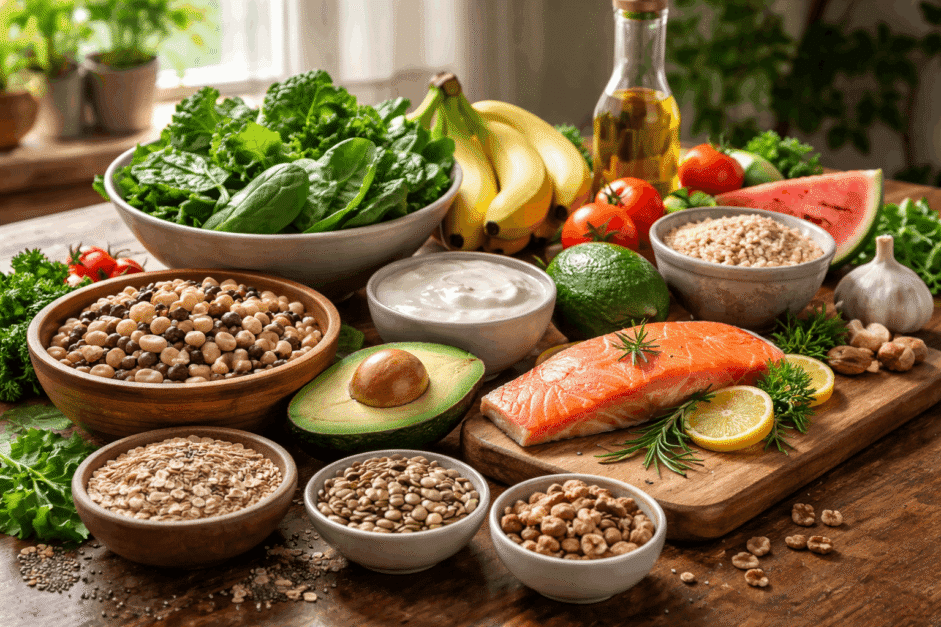
The most helpful foods are usually:
- leafy green vegetables
- bananas and other potassium-rich fruits
- beans, lentils, and peas
- oats and other whole grains
- low-fat yogurt and milk
- nuts and seeds
- fish and other lean proteins
- potassium-rich staples like plantain, yam, and potatoes
- a wider eating pattern rich in fruits and vegetables
No single food fixes high blood pressure on its own. What works best is a steady, heart-friendly eating pattern.
Why Food Plays a Big Role in Blood Pressure
Blood pressure is affected by salt intake, body weight, movement, stress, alcohol, sleep, and overall diet. But food is one of the most powerful daily levers because it directly affects sodium intake, potassium balance, blood vessel health, and long-term heart function.
The DASH eating plan was designed specifically to help lower blood pressure. It emphasizes foods that are naturally rich in potassium, magnesium, calcium, and fiber while reducing sodium and unhealthy fats.
That matters because potassium helps the body handle sodium better, and fiber-rich whole foods tend to support better overall heart health. The CDC recommends eating more foods rich in potassium, fiber, and protein while cutting back on sodium and saturated fat.
1. Leafy Green Vegetables
Leafy greens are among the best foods for high blood pressure because they are rich in nutrients and often high in potassium.
Helpful options include:
- spinach
- ugu
- kale
- pumpkin leaves
- scent leaf
- green amaranth
They are easy to work into soups, stews, sauces, and egg dishes. A diet with more vegetables is one of the clearest patterns linked with better blood pressure support.
2. Bananas and Other Potassium-Rich Fruits
Bananas are one of the most talked-about foods for blood pressure because they are rich in potassium and easy to include in daily meals. Potassium helps reduce the harmful effect of excess sodium in the body. The American Heart Association’s potassium guide highlights potassium-rich foods as part of blood pressure control.
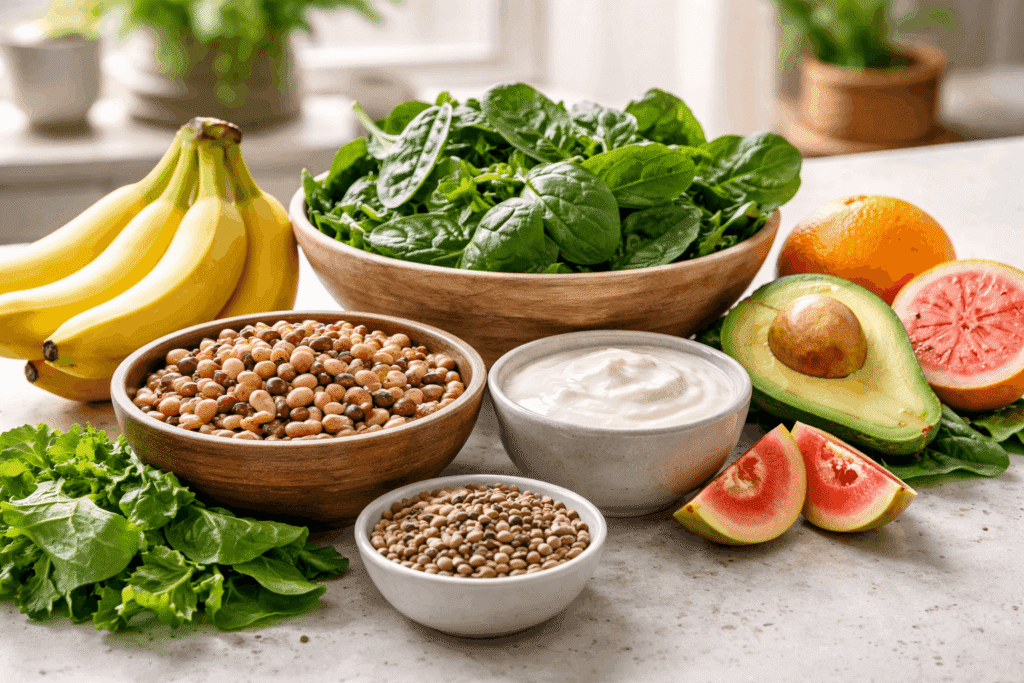
Other useful fruits include:
- oranges
- watermelon
- guava
- pawpaw
- avocado
- apricots where available
Fresh fruit is usually better than sugary fruit drinks.
3. Beans, Lentils, and Other Legumes
Beans are one of the smartest foods to eat more often if you want to support healthier blood pressure naturally. They provide fiber, plant protein, magnesium, and potassium. They are also filling, which can help with weight control.
Good options include:
- beans
- lentils
- peas
- chickpeas
The American Heart Association’s heart-healthy diet advice includes legumes as part of a strong eating pattern for blood pressure and heart health.
4. Oats and Other Whole Grains
Whole grains support heart health because they provide more fiber and nutrients than heavily refined grains. Oats are especially useful because they are easy to prepare and work well for breakfast.
Helpful whole-grain options include:
- oats
- brown rice
- millet
- sorghum
- whole wheat foods
Both the NHLBI DASH eating plan and the American Heart Association include whole grains in blood-pressure-friendly meal patterns.
5. Low-Fat Dairy Foods
Low-fat dairy foods can support a heart-friendly diet because they provide calcium and protein without too much saturated fat.
Good examples include:
- plain low-fat yogurt
- low-fat milk
The DASH eating plan includes low-fat dairy as part of its recommended pattern. Plain versions are usually better than highly sweetened flavored options.
6. Nuts and Seeds
Nuts and seeds offer healthy fats, magnesium, plant protein, and fiber. They can be a smart snack or meal addition when eaten in moderate amounts.
Helpful options include:
- groundnuts
- almonds
- walnuts
- pumpkin seeds
- sunflower seeds
Choose unsalted versions where possible. The American Heart Association includes nuts and seeds in a heart-supportive eating pattern.
7. Fish and Other Lean Proteins
Protein sources matter too. Fish and other lean proteins are usually better choices than processed meats, which often contain a lot of sodium.
Better protein options include:
- sardines
- mackerel
- tilapia
- salmon where available
- skinless chicken
The American Heart Association’s guidance on heart-healthy eating recommends fish and skinless poultry while advising people to reduce processed and fatty meats.
8. Potassium-Rich Staples Like Plantain, Yam, and Potatoes
Some familiar staples can also help when prepared wisely. The American Heart Association’s potassium-rich foods list includes plantains, potatoes, yam, and spinach among useful foods for potassium intake.
Preparation matters. Boiled, roasted, or lightly cooked versions are much better than heavily salted or deep-fried versions.
9. Fruits and Vegetables as a Daily Pattern
It is easy to focus on one “superfood,” but blood pressure does not improve because of one miracle item. The American Heart Association has warned that lowering blood pressure takes more than a single food.
What works better is a consistent eating pattern with:
- more vegetables
- more fruit
- more beans and legumes
- more whole grains
- less sodium
- fewer processed foods
That pattern is what makes the real difference.
Best Daily Foods to Prioritize
If you want a simple place to start, prioritize these most often:
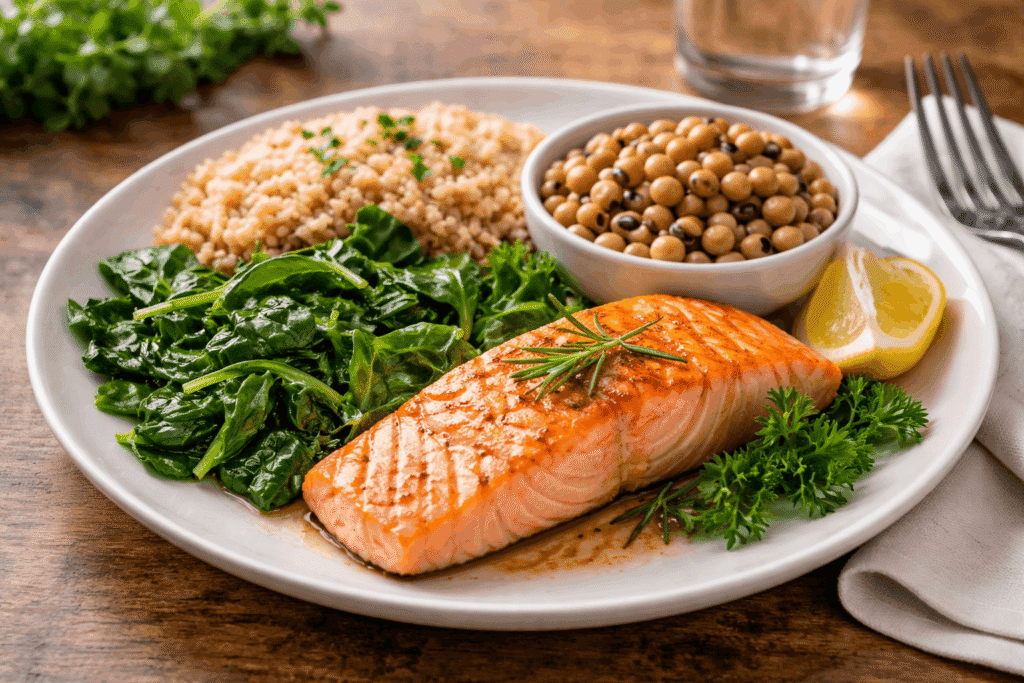
- leafy vegetables
- bananas or other potassium-rich fruits
- beans or lentils
- oats or other whole grains
- plain yogurt
- unsalted nuts or seeds
- fish instead of processed meat
You do not need all of them every day. Just build your meals around them more often.
Foods to Cut Back On
Adding good foods helps most when you also reduce foods that quietly push blood pressure up.
Try to eat less of these:
- salty processed foods
- instant noodles with seasoning packs
- processed meats
- canned foods high in sodium
- heavily salted snacks
- fast food eaten too often
- excess alcohol
The CDC’s healthy eating guidance notes that most sodium comes from packaged and prepared foods, not just table salt. The American Heart Association’s salt reduction advice also explains why cutting back on processed foods can help support healthier blood pressure.
You should also read our article on 5 Common Foods That Spike Your Blood Pressure to understand which everyday foods may be working against you.
Simple Ways to Eat for Better Blood Pressure
You do not need a perfect diet to start seeing progress. Small changes done consistently are powerful.
Try this:
- add one fruit to breakfast
- include vegetables in lunch and dinner
- replace some refined foods with oats or whole grains
- eat beans more often during the week
- reduce salty seasoning and processed foods
- snack on fruit or unsalted nuts instead of salty snacks
These changes can make your diet more blood-pressure-friendly without making meals feel complicated.
Can Food Replace Blood Pressure Medicine?
Not always.
For some people, food and lifestyle changes make a big difference. For others, medication is still necessary. The CDC’s high blood pressure guidance explains that some people need medicine alongside healthy habits.
Do not stop prescribed blood pressure medicine without medical advice.
When to Take High Blood Pressure Seriously
High blood pressure is often called a silent condition because many people have no clear symptoms at first. That is why regular checks matter.
Get medical attention quickly if you have high readings along with warning signs such as:
- chest pain
- severe headache
- shortness of breath
- weakness
- confusion
- vision changes
The CDC’s advice on high blood pressure recommends urgent care when severe symptoms appear.
Final Thoughts
The best foods that help lower blood pressure naturally are not exotic. They are mostly familiar foods eaten more intentionally: more vegetables, more fruit, more beans, more whole grains, more potassium-rich choices, and less sodium.
There is no magic food. There is a strong pattern.
The more consistently you eat in a heart-friendly way, the more you support your blood vessels, your heart, and your long-term health.
For a related read, see our guide on 5 Common Foods That Spike Your Blood Pressure.
FAQ
No food works like an instant cure, but a lower-sodium diet built around fruits, vegetables, legumes, whole grains, and potassium-rich foods can help improve blood pressure over time. The NHLBI notes that the DASH eating plan can help lower blood pressure within weeks.
Yes, banana can help because it contains potassium, which supports a healthier sodium balance in the body. The American Heart Association highlights potassium-rich foods as part of blood pressure support.
Water is important for overall health, but it is not a stand-alone treatment for hypertension. Diet quality, sodium intake, physical activity, weight, and medical care still matter most, as explained in the CDC’s blood pressure prevention guidance.
The DASH eating plan is one of the most widely recommended diets for managing blood pressure. It emphasizes fruits, vegetables, whole grains, legumes, nuts, low-fat dairy, and reduced sodium.
Medical Disclaimer: This article is for educational and informational purposes only and is not a substitute for professional medical advice, diagnosis, or treatment. Always speak with a qualified healthcare professional about personal health concerns.