Written by: Precious Eze
Medically reviewed by: Dr. Deborah Akinlola
Last reviewed: March 29, 2026
Can birth control cause a yeast infection? Yes, some types of birth control can increase the risk of a yeast infection in some women, but birth control is usually not the only reason it happens. According to Mayo Clinic, higher estrogen levels from pregnancy, birth control pills, or hormone therapy can make yeast infections more likely. At the same time, Mayo Clinic’s guidance on vaginal health explains that barrier contraceptives and spermicides can irritate the vagina, which can make symptoms more likely or harder to interpret.
Many women ask this because the timing feels suspicious. They start a new pill or another contraceptive method, then itching, burning, or discharge appears soon after. That pattern does not prove birth control is the only cause. But it does make birth control a reasonable factor to look at, especially if symptoms keep coming back.
Click to Jump
The short answer
Birth control can be linked to yeast infections, especially if it raises estrogen exposure or irritates the vaginal area. But if you are asking, can birth control cause a yeast infection, the most accurate answer is that it can contribute in some women without being the only cause. As Cleveland Clinic notes, hormone changes, including those linked to birth control pills, can disrupt the balance of Candida in the vagina.
What is a yeast infection?
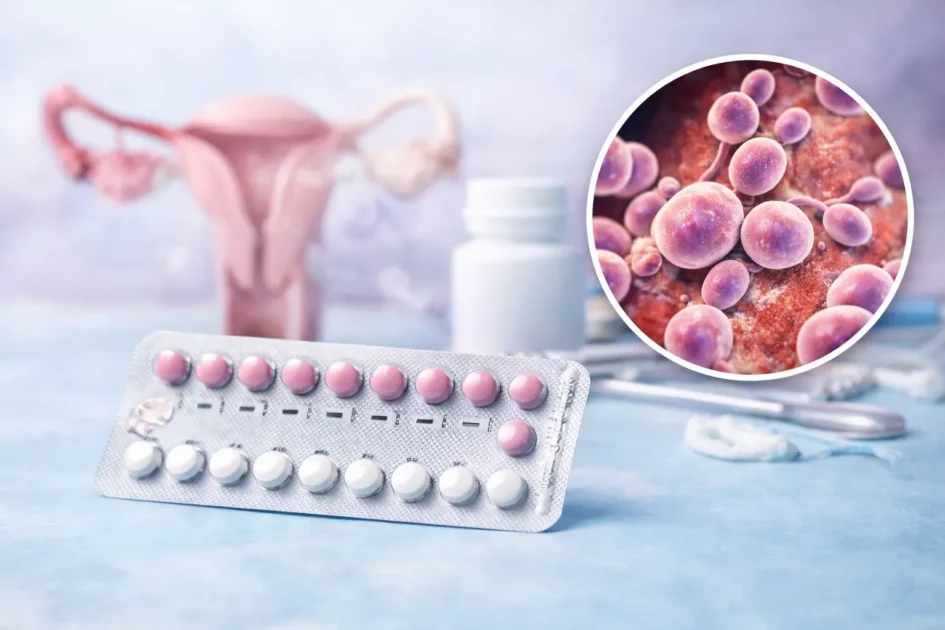
A vaginal yeast infection, also called vaginal candidiasis, happens when yeast, usually Candida, grows too much in the vagina. Common symptoms include itching, burning, soreness, irritation, and a thick white discharge in some cases. The vagina normally maintains a balance of healthy organisms and acidity. When that balance shifts, yeast can overgrow. If you want a fuller overview of the condition itself, our guide on vaginal yeast infection symptoms, causes, and treatment breaks it down clearly.
How birth control may increase the risk
Hormonal birth control can shift the vaginal environment
This is the clearest part of the answer. Hormonal birth control, especially methods linked with higher estrogen exposure, can make yeast overgrowth more likely in some women. That does not mean the effect is universal. It means hormones can create conditions that make overgrowth more likely in certain women. CDC also notes that pregnancy and hormone changes increase vaginal candidiasis risk.
Spermicides and some barrier methods can irritate the vagina
Not every birth-control-related vaginal problem is hormonal. Barrier contraceptives and spermicides can irritate the vagina in some women. Irritation does not always mean yeast infection, but it can make itching, burning, and discharge changes more confusing. Mayo Clinic specifically notes that condoms, diaphragms, and the spermicide used with them can irritate the vagina.
Birth control may be one contributor, not the whole explanation
This is where many self-diagnoses go wrong. A woman may blame her contraception when the bigger trigger is something else happening at the same time, such as recent antibiotic use, pregnancy, uncontrolled diabetes, or weakened immunity. If antibiotics were also involved, our article on can antibiotics cause a yeast infection? will help you understand that connection better. Both CDC and Mayo Clinic list antibiotics, pregnancy, and immune problems among important risk factors.
Which birth control methods are most likely to be linked?
The strongest mainstream support is for birth control pills, especially because of the estrogen link. Mayo Clinic directly lists birth control pills among the factors that can raise risk, and Cleveland Clinic makes a similar point when discussing hormone-related shifts in vaginal Candida balance.
For other hormonal methods, the safest wording is more careful. Hormonal changes in general can affect vaginal balance, but the clearest consumer-facing guidance is strongest around birth control pills, not a blanket claim about every hormonal method.
Barrier methods and spermicides belong in the article too, but for a different reason. They are more relevant to local irritation and vaginitis-like symptoms than to a simple hormone-driven yeast-overgrowth pathway. Birth control pills are more often discussed in relation to hormone shifts, while spermicides and some barrier methods are more likely to cause irritation that can mimic or worsen vaginal symptoms.
Can birth control cause recurring yeast infections?
It can contribute, but it should not be framed as the only explanation. Birth control may be part of the story, especially when symptoms repeatedly seem to flare after starting or continuing a method, but recurrent infections deserve a broader look at antibiotics, diabetes, immunity, irritants, and diagnosis accuracy. The NICE CKS guidance on recurrent vulvovaginal candidiasis notes that risk factors for recurrence can be uncertain, and some women have no obvious underlying cause at all.
Symptoms that may suggest a yeast infection
A yeast infection often causes:
- intense itching
- soreness or irritation
- burning, especially during urination or sex
- redness or swelling around the vulva
- thick white discharge in some women
But symptoms can overlap with bacterial vaginosis, contact irritation, and some sexually transmitted infections. Our article on yeast infection vs BV vs STI can help you understand those differences more clearly before you assume it is yeast. Cleveland Clinic’s vaginal discharge guide also shows how discharge patterns can overlap across different vaginal conditions.
Common self-diagnosis mistakes
One common mistake is assuming every itch or discharge change is yeast. Another is blaming birth control too quickly without checking for recent antibiotics, new hygiene products, douching, diabetes, or spermicide-related irritation. Many vaginal symptoms can look alike, which is why self-diagnosis is often unreliable. Mayo Clinic’s vaginitis overview explains that vaginal irritation, discharge changes, painful urination, and pain during sex can occur across different forms of vaginitis.
Another mistake is treating the symptoms over and over without asking why they keep returning. If the same problem keeps happening, the real issue may be recurrence, irritation, a different vaginal condition, or a trigger you have not identified yet.
What to do if you think your birth control is affecting you

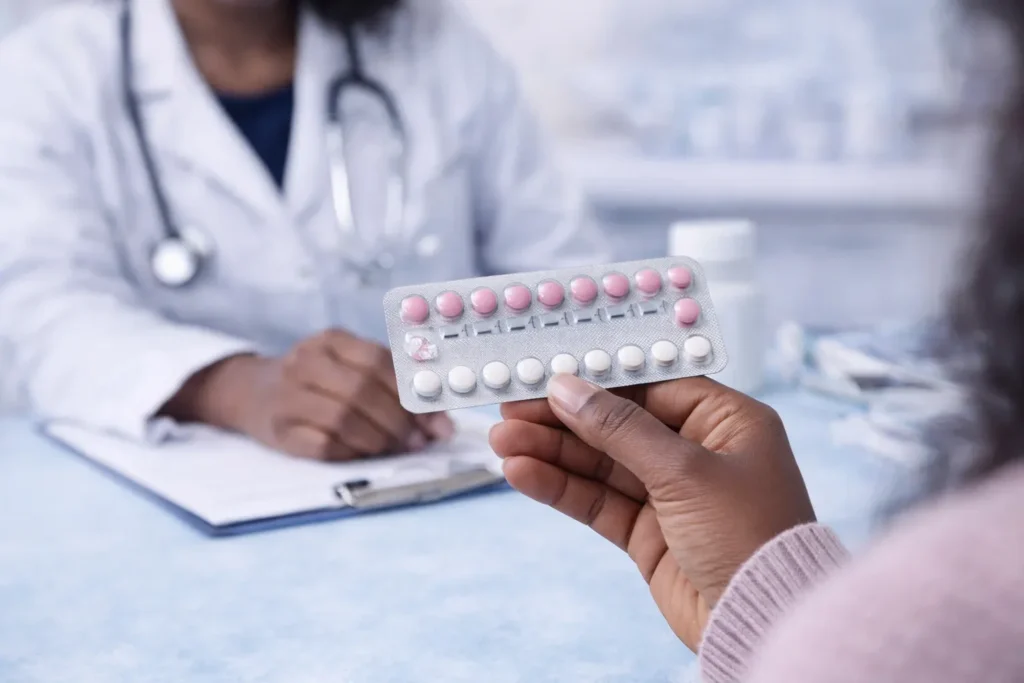
Look for a pattern first. Did symptoms start after a new contraceptive method? Did they start after antibiotics instead? Are you also dealing with diabetes, pregnancy, or frequent irritation from products or condoms? These questions are more useful than guessing. If the timing strongly lines up, it makes sense to talk to a clinician rather than stopping your method blindly.
A clinician can help confirm whether it is truly a yeast infection, rule out other causes, and decide whether switching methods is reasonable. The right response depends on the real diagnosis, not just on timing.
Red flags you should not ignore
See a clinician promptly if:
- it is your first suspected yeast infection
- symptoms are severe
- symptoms keep coming back
- you are pregnant
- you have diabetes
- you have a weakened immune system
- you have pelvic pain, fever, sores, or foul-smelling discharge
- over-the-counter treatment is not helping
These red flags are important because vaginal symptoms are not always caused by yeast, and recurrent or severe symptoms may need a different evaluation and treatment plan. Mayo Clinic’s diagnosis and treatment guide notes that first-time symptoms and persistent problems deserve proper assessment instead of guesswork.
Can you stay on the same birth control?
Sometimes yes. If the infection is isolated, mild, and responds well to treatment, a clinician may decide there is no need to change your contraceptive method. But if symptoms keep coming back and the pattern keeps pointing to the same method, reviewing alternatives is reasonable. The goal is not to blame birth control for everything. The goal is to see whether it is part of a repeat pattern that deserves attention.
How to lower your risk
You cannot prevent every yeast infection, but you can reduce avoidable triggers. Avoid unnecessary douching and scented vaginal products. Be cautious with spermicides if they irritate you. Use antibiotics only when appropriate. Manage diabetes well if you have it. Track whether symptoms began after a new contraceptive method or after another trigger. And if symptoms keep returning, get a proper assessment instead of repeatedly self-treating. Cleveland Clinic’s guide to vaginal flora also explains how hormone changes and scented products can disrupt the normal vaginal environment.
When to see a doctor
See a doctor if you are not sure what is causing the symptoms, if treatment is not helping, or if the problem keeps returning. That advice is especially important because yeast infection symptoms can resemble other vaginal conditions that need different treatment.
So, can birth control cause a yeast infection? It can in some cases, but the better way to think about it is that birth control may raise risk rather than act as the only cause.
The bottom line
Birth control can be linked to yeast infections, especially when hormones or local irritation shift the vaginal environment. But it is usually not a simple direct cause on its own. The most useful answer is this: birth control may be contributing, but you still need to consider the bigger picture.
FAQ
Yes, birth control can cause a yeast infection in some women by increasing risk through hormone changes or vaginal irritation, but it’s usually not the only factor involved.
A woman may notice vaginal symptoms after starting any new method, but the safer answer is that birth control may contribute in some cases without being the only explanation.
Yes. They can irritate the vagina in some women, and that irritation can feel similar to other vaginal problems.
Do not stop it on your own without medical advice. Confirm the diagnosis first, then review your contraceptive method and other risk factors with a clinician.
Birth control may be one factor, but recurrent infections can also be linked to antibiotics, pregnancy, diabetes, weakened immunity, irritants, or sometimes no obvious single cause.
Medical Disclaimer: This article is for educational and informational purposes only and is not a substitute for professional medical advice, diagnosis, or treatment. Always speak with a qualified healthcare professional about personal health concerns.